
Documentation. Fiduciary selection. Drafting and redrafting and updating documents. All are important aspects of estate planning. In practice, though, it is much more than wills and codicils. It’s about navigating family dynamics, safeguarding your clients’ intentions, and always anticipating litigation.
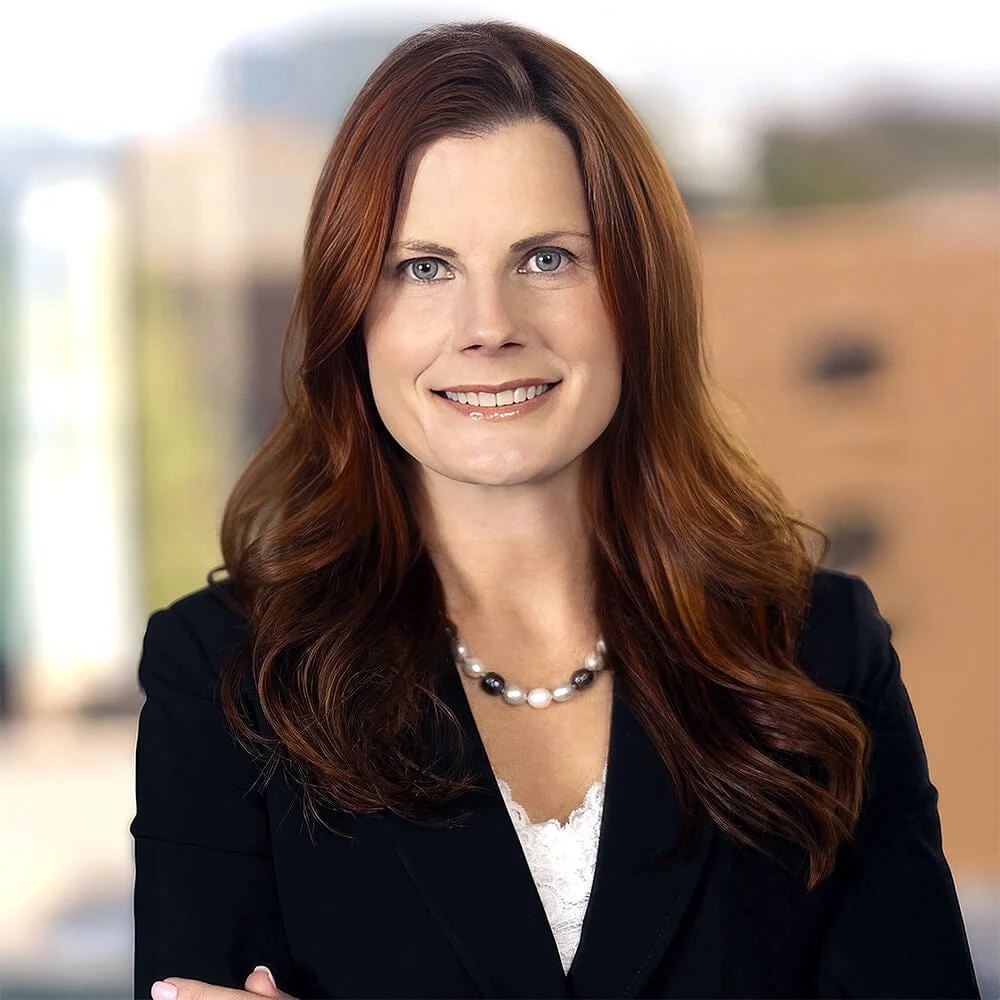
In a recent presentation to estate professionals, The Estate Lawyers co-founder Amy L. Gostanian shared practical techniques that estate planners and related professionals can apply immediately to better serve their clients and protect their own professional credibility.
How often are estates contested?
Contested estates in California are relatively uncommon but rising, with about 38,000 probate filings annually and projected growth of 3–5% per year. The latter is due to demographic trends and Baby Boomers transferring wealth to children. While most cases are uncontested, roughly 40% of probate matters in Los Angeles County involve trust litigation, often due to unclear or poorly executed documents or allegations of undue influence. Other reasons include lack of testamentary capacity, fraud or forgery, and executor misconduct.
Will contests reportedly succeed about 10% to 33% of the time, and most settle before trial. Litigation can double or triple costs and extend timelines from 12–18 months to more than two years, making proactive estate planning critical to avoid these expensive, time-consuming disputes.
How should estate planners incorporate litigation avoidance into their work?
Gostanian said meticulous record-keeping and mindful writing are essential, i.e., being mindful that damaging disputes lurk around every corner. For example, she said, “Write your emails like they will one day be read at your deposition.” The same is true for case notes, she said. When disputes arise, detailed notes often become the voice of the deceased. “It’s those notes that can become valuable evidence and the voice of the person who’s no longer with us. They can explain what the testator wanted to happen after their death, how they were reacting in their divorce, or how they were managing their finances,” she said. When possible, she continued, let clients speak for themselves: “Their own handwriting carries more weight.”
How important is consistency in how you practice?
Consistent documentation protocols aren’t just good practice; they can be a professional’s shield in litigation.
Gostanian recalled a case in which a routine matter exploded into costly litigation simply because of inadequate record-keeping. “The estate plan file was not well documented,” she said, “so I ended up with in an uphill battle from the moment we started the case against the two siblings.” Even a favorable verdict couldn’t erase the financial toll. “We won in the end,” she said, but at great cost to the clients. In cases like that, “The only people that get money are the attorneys, and that really isn’t who should win at the end of the day.” Poor documentation doesn’t just put a case at risk; it guarantees losing time and money.
How should professionals adjust to our growing senior population?
In 2025, more than 59 million Americans are 65 or older, nearly double 35 million in 2000. That is reshaping estate planning, among other aspects of society, Gostanian explained. Even if your client enjoys sound mental capacity, people around them can upset the best crafted plans by committing undue influence or other illegal acts.
“If your client is over the age of 65,” she cautioned, “your levels of scrutiny need to rise, and you need to be asking different questions.” Professionals will want to confirm a client’s orientation and awareness by asking the current date and their present location. Do they understand what assets they have and who their family members are? Do they understand what a will is for? How is their reasoning and decision-making capacity, and their memory and recall? These aren’t clinical tests by any means, but they help get a sense of a person’s condition. Build extra safeguards into your process for elderly clients, Gostanian continued. “Ask more questions. Get more documentation. Be extra vigilant.”
When managing clients with diminished capacity, professionals must recognize their mental endurance may also be weakened. Their ability to pay attention wains; long meetings are draining. Professionals should re-consider long conversations. “My rule of thumb is no more than 45 minutes,” she said. “After 45 minutes you might need to have a second meeting, or you’re just going to lose them.”
How important are standard practices?
In addition to record-keeping, asking the right questions, and not wearing elderly clients out, standardization is a good practice for a number of reasons. For example, written protocols for subpoenas and document production do not just make professionals more efficient; they build credibility. “What do you produce? What are you not producing? Wise professionals have written protocols for these common occurrences,” she said.
What are the risks of getting emotionally invested in probate disputes?
Professionals must navigate emotional white water without being pulled under. As anyone who has been through it knows, family disputes following the loss of a loved one can unravel decades of harmony. Gostanian cautioned her audience not to become part of the problem. “I am so cautious,” she said. “I do not want to be part of the thing that undoes 80 good years of peace with two bad ones.”
“As attorneys, we’re the people that don’t have a dog in the fight,” she said. “Maintaining standardization and objectivity are among your strongest ethical tools.”
Conclusion
Professionals who adopt the best practices like those Gostanian outlined can prevent costly disputes, protect client relationships, and maintain professional credibility.
Wish to discuss avoiding a dispute or litigating one?
Contact The Estate Lawyers today for a confidential consultation. Complete our intake form or call (858) 351-4006.